



Expert approach in muscle and skeletal system health
Our Orthopedics and Traumatology Department is a comprehensive medical unit dealing with the diseases and injuries of the bones, joints, muscles, ligaments, and nerves that make up the movement system of the body.
In our hospital, a wide range of diagnostic and treatment services are offered, from simple fractures and dislocations to complex spine and joint surgeries, from sports injuries to congenital anomalies. Our goal is to return our patients to their daily lives painlessly and functionally as soon as possible.
Why Çakırtepe Hospital?
24/7 Trauma Center
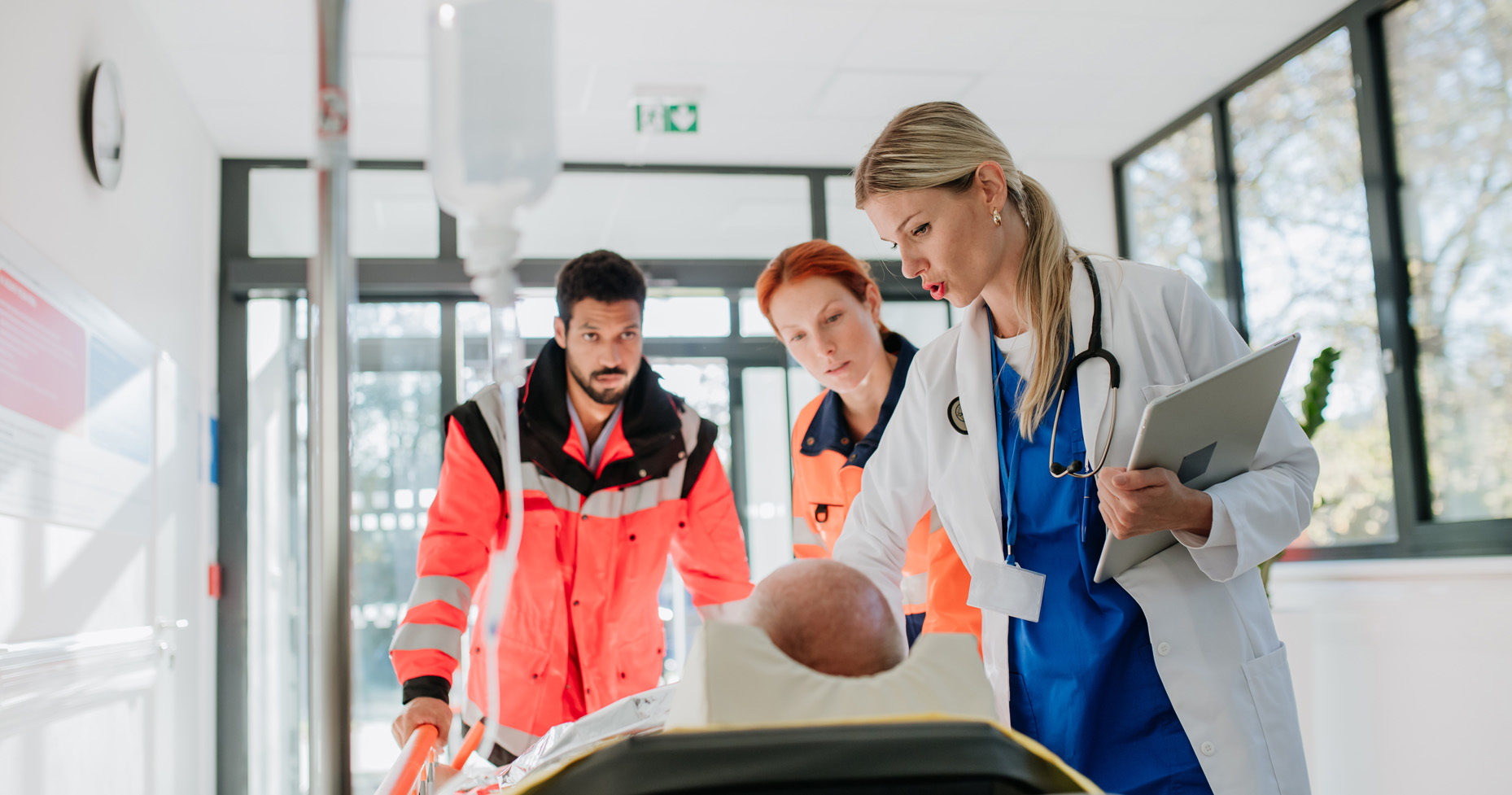
In emergencies such as falls, impacts, traffic accidents, or work accidents; by working in coordination with our Radiology and Anesthesia units, we respond to trauma patients as quickly as possible at any hour of the day.
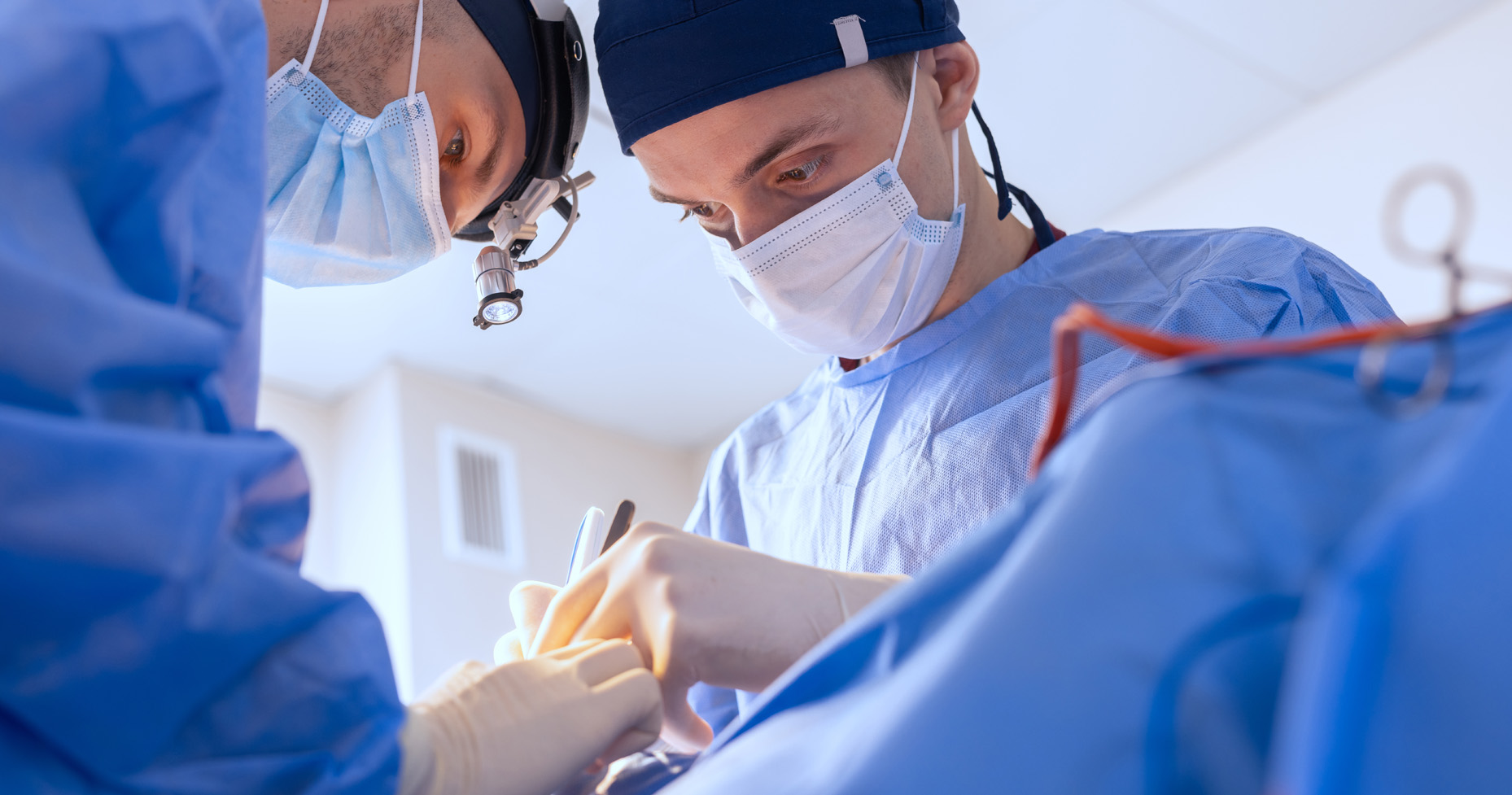
Modern Surgical Techniques
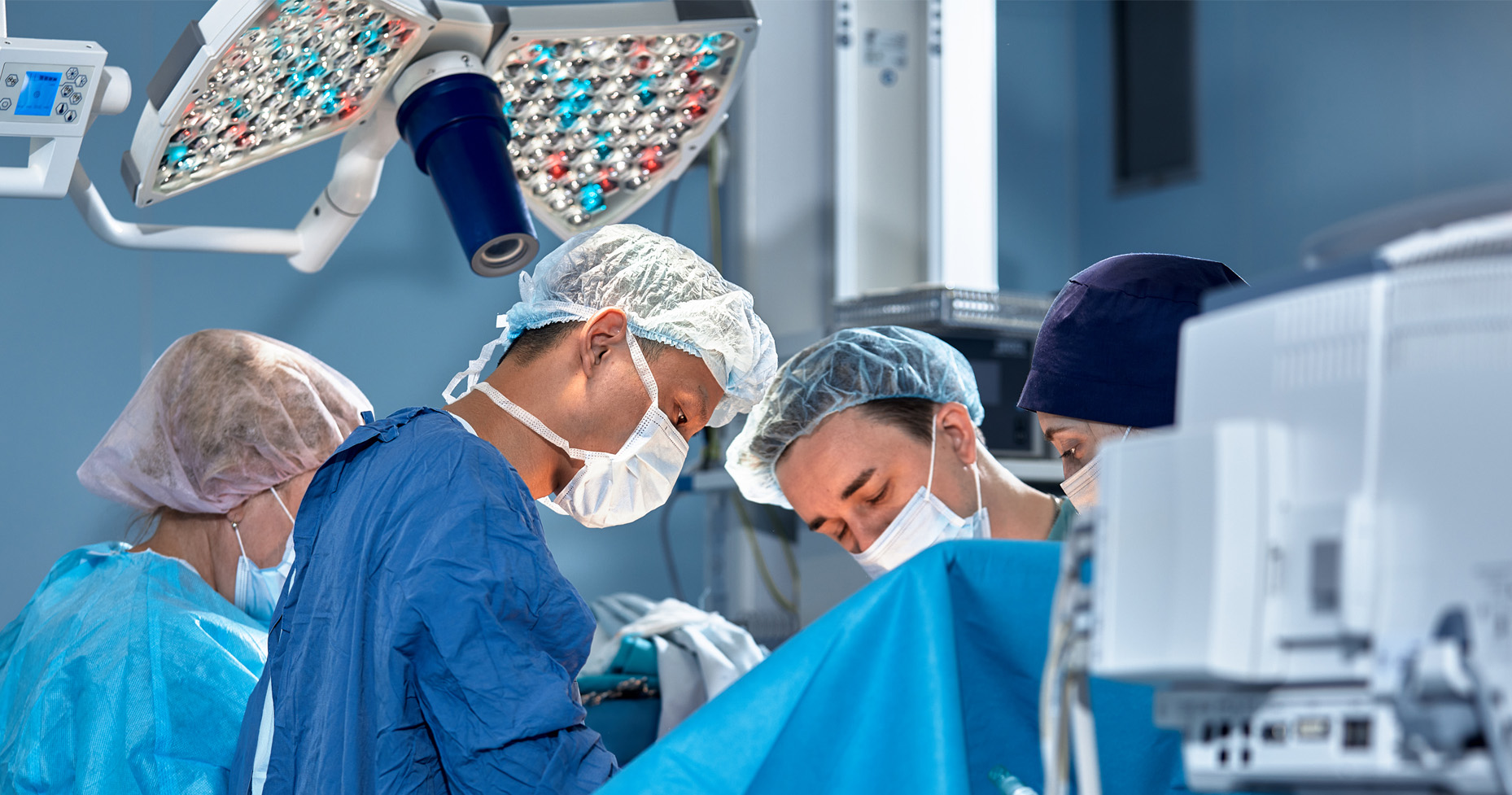
In addition to open surgeries, we accelerate our patients' recovery process and increase their comfort with "Arthroscopic" (closed) surgeries performed by entering the joint with a camera.
Integrated Process with Physical Therapy
Good rehabilitation is the complement of a successful orthopedic surgery. By working together with our Physical Therapy unit in the postoperative period, we ensure the full recovery of muscle and joint functions.
Traumatology (Fractures and Dislocations)
The emergency and planned treatment of bone fractures, joint dislocations, and soft tissue injuries in every part of the body is one of the busiest service areas of our department.
Fracture Treatments
Depending on the type of fracture and the patient's age, conservative methods such as casts and splints, or surgical methods using plates, screws, and nails are applied.
Soft Tissue Injuries
Repair surgeries and medical treatments are arranged for muscle tears, tendon ruptures, and ligament injuries.
Arthroplasty (Joint Replacement Surgery)
It is the process of replacing joints that ache and have lost their mobility due to advanced calcification (arthrosis) with artificial joints (prosthesis). These surgeries offer solutions that dramatically increase the quality of life of patients.
Knee Replacement
Total or partial knee replacement surgeries are successfully applied in knee calcification (osteoarthritis) that makes walking difficult, causes night pains, and does not respond to medical treatment.
Hip Replacement
Hip replacement surgery is performed so that the patient can walk painlessly again in joint damage developing after hip joint calcification or hip fracture.
Arthroscopic Surgery and Sports Injuries
It is a modern method where joints (especially knee and shoulder) are viewed with a camera system and treated without large incisions. It is the gold standard in the treatment of common injuries in athletes.
Meniscus and Anterior Cruciate Ligament
Meniscus tears in the knee are repaired or cleaned. Torn anterior cruciate ligaments are reconstructed with arthroscopic methods, ensuring the patient's return to sports.
Shoulder Arthroscopy
Recurrent shoulder dislocations, muscle impingement, and tendon (rotator cuff) tears are treated with closed methods.
Pediatric Orthopedics
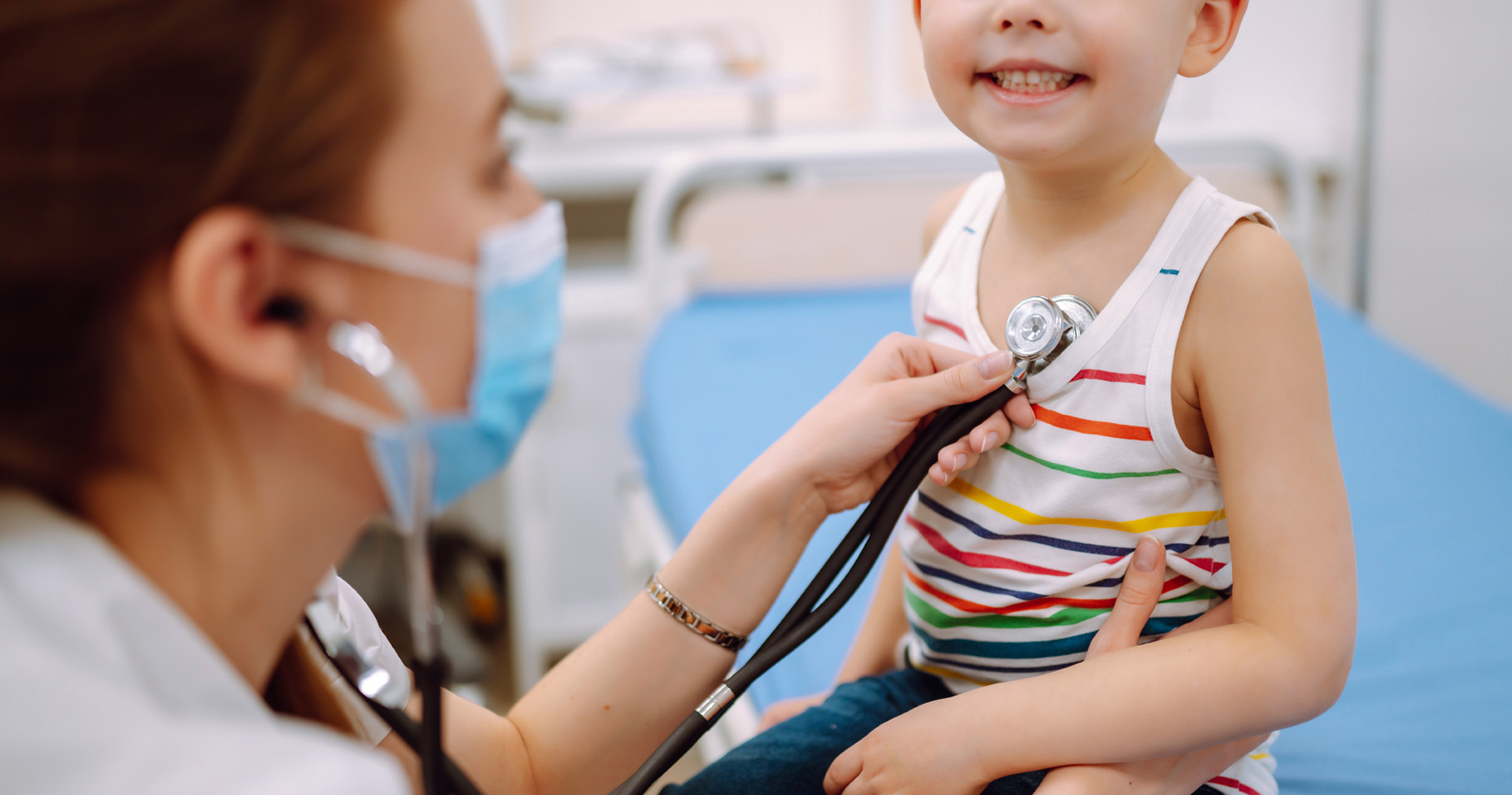
Bone and joint problems in growing children require a different expertise and approach than adults. Early diagnosis is vital in preventing permanent disabilities.
Developmental Dysplasia of the Hip
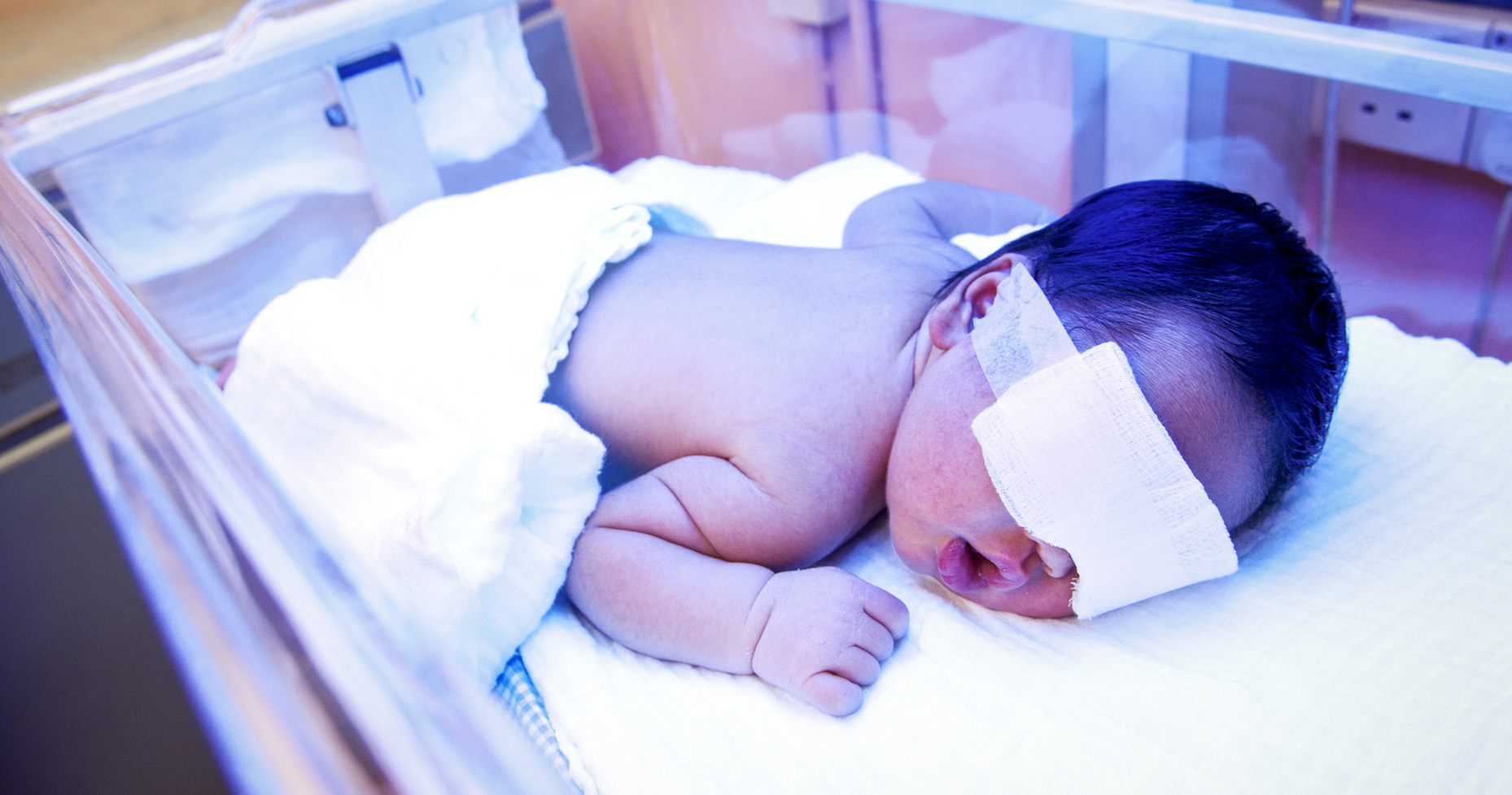
With ultrasound screenings in the newborn period, the risk of hip dysplasia is detected early, and recovery is achieved without the need for surgery with bandage/device treatments.
Clubfoot (Pes Equinovarus)
In babies with congenital clubfoot, correction is achieved with casting treatments (Ponseti method) starting immediately after birth.
Spine Surgery
Congenital or acquired deformities, fractures, and aging-related degenerative diseases of the spine are treated in this area.
Scoliosis and Kyphosis (Spinal Curvatures)
Spinal curvatures (scoliosis, kyphosis) occurring in childhood and adolescence are monitored. Advanced curvatures are corrected with modern surgical methods.
Degenerative Spine Diseases
Conditions such as age-related spinal calcification, narrow canal (spinal stenosis), and lumbar slippage (spondylolisthesis) are treated with pain treatments or instrumented (screwed) surgeries.
Hand Surgery and Microsurgery
Our hand is one of our most complex and sensitive organs. Nerve, tendon, and vascular injuries in the hand, wrist, and upper extremity are treated with microscopic methods.
Nerve Entrapments
Conditions that cause numbness and loss of strength in the hand, such as Carpal Tunnel Syndrome (wrist) and Cubital Tunnel Syndrome (elbow), are surgically released.
Tendon and Nerve Severances
Microsurgical repairs are applied to preserve hand functions in incisions resulting from work and home accidents.
Modern Surgical Techniques
With UBE (Unilateral Biportal Endoscopic spine surgery), lumbar, neck, and back hernias and spinal stenosis are treated. Mesenchymal stem cell therapies are applied within the scope of preventive joint applications.
Degenerative Spine Diseases
Conditions such as spinal calcification, narrow canal (spinal stenosis), and lumbar slippage (spondylolisthesis) that develop due to advanced age are treated with pain treatments or instrumented (screwed) surgeries.
In addition, narrow canal surgery treatments are performed with the UBE (Unilateral Biportal Endoscopy) method without using screws and making muscle and bone incisions.
In addition, narrow canal surgery treatments are performed with the UBE (Unilateral Biportal Endoscopy) method without using screws and making muscle and bone incisions.
Department Doctors
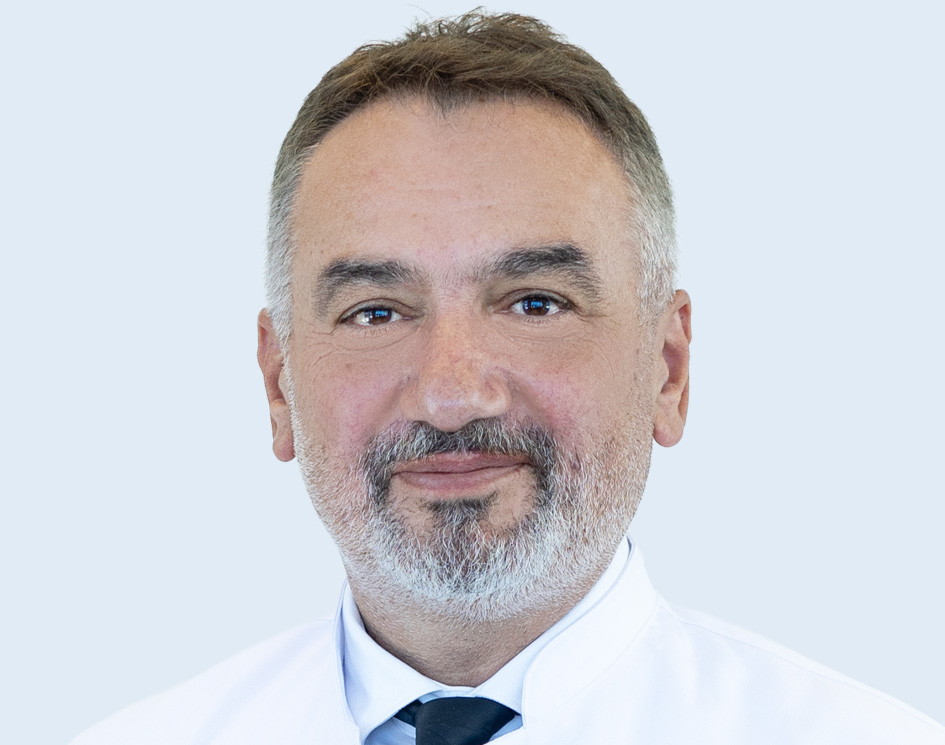
Dr. Mehmet Onur Sarıhan
Orthopedics and Traumatology