What is the Pelvic Floor?
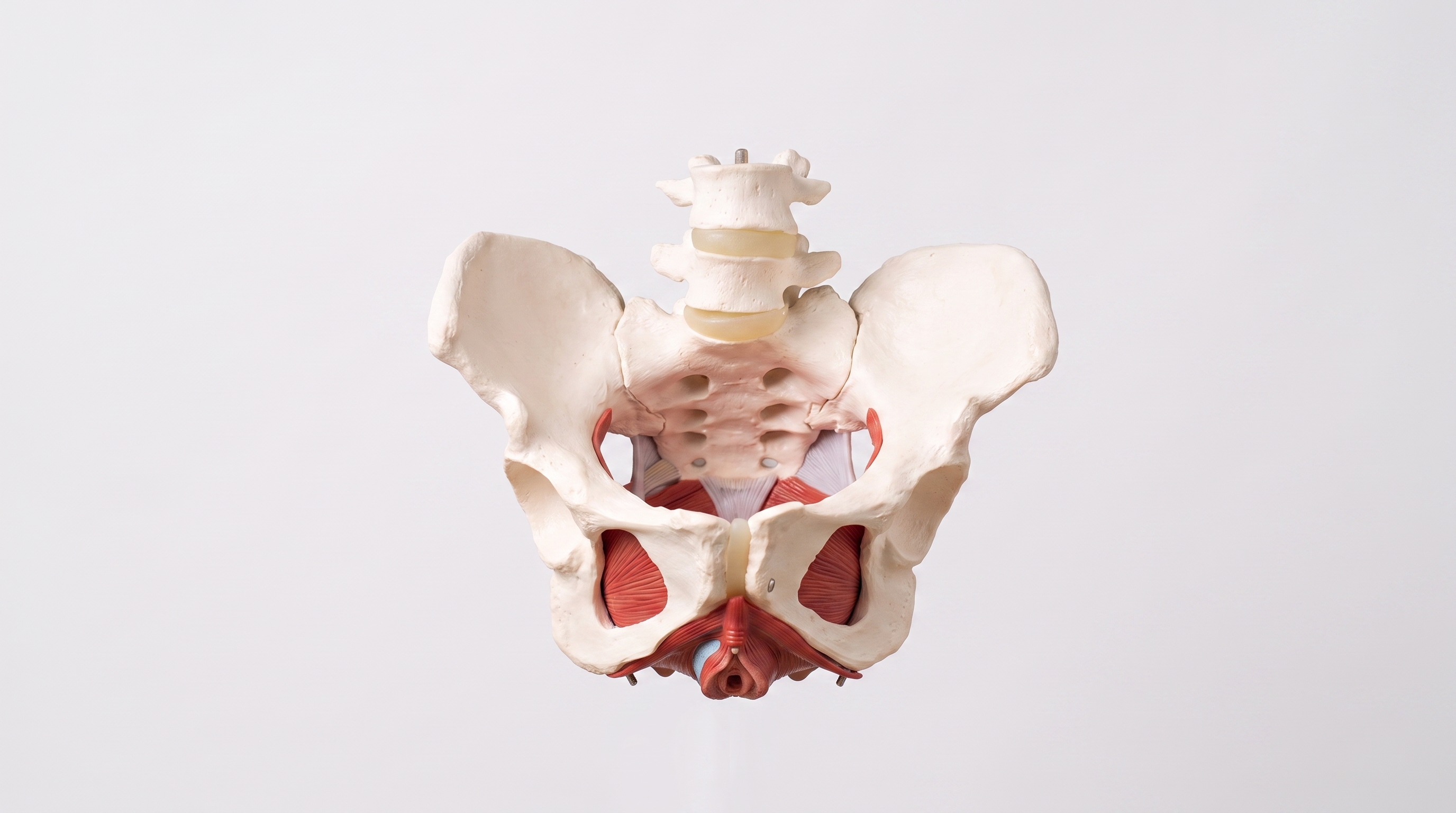
The pelvic floor is a complex structure covering the lower part of the pelvis, consisting of muscle, fascia, ligaments, and connective tissue, which plays a role in supporting the pelvic organs. The main muscle structure is formed by the levator ani and coccygeus muscles. It contributes to continence, urination, defecation, sexual function, and trunk stabilization.
For normal function, it is important not only that the muscles are strong, but also that they can contract at the right time, have sufficient endurance, and relax when necessary. Therefore, pelvic floor dysfunction can manifest as excessive muscle activity or relaxation failure as well as muscle weakness.
The pelvic floor contributes to lumbopelvic stabilization by working in coordination with the diaphragm, abdominal, and deep spinal muscles.

Pelvic Floor Rehabilitation
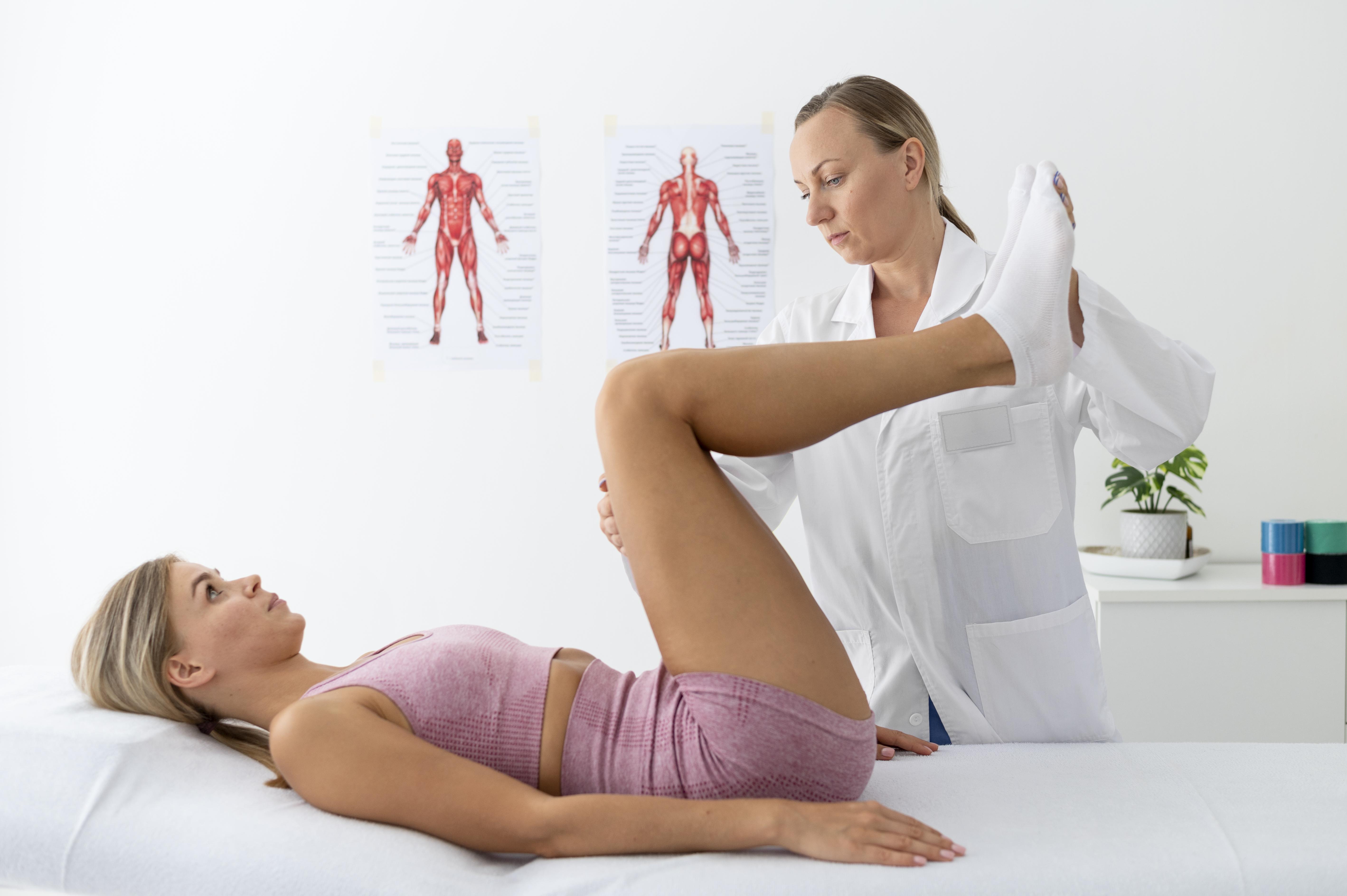
Pelvic floor rehabilitation is a comprehensive process that aims to evaluate pelvic floor muscles, connective tissue, and supporting structures, and treat existing functional disorders with appropriate physiotherapy approaches. Besides continence, the pelvic floor plays an important role in pelvic organ support, sexual function, intra-abdominal pressure control, and lumbopelvic stabilization.
Pelvic floor dysfunctions can be seen during pregnancy and the postpartum period, as well as in men, children, athletes, older adults, and individuals who have undergone pelvic surgery. Treatment is planned according to the individual's symptoms and functional requirements.
- In case of muscle weakness, strength and endurance are increased.
- In hypertonic or overactive muscles, relaxation is targeted.
- Improvement of motor control is targeted.
1. Urinary Incontinence
In stress urinary incontinence, involuntary urine leakage occurs during activities that increase intra-abdominal pressure, such as coughing, sneezing, laughing, running, or heavy lifting. The assessment considers the strength, endurance, activation timing, and neuromuscular coordination of the pelvic floor muscles. Personalized pelvic floor rehabilitation can also be applied for urgency, overactive bladder, and increased urinary frequency.
2. Overactive Bladder and Urgency
Overactive bladder is characterized by a sudden and difficult-to-control urge to urinate, frequent urination, and often nocturia. Treatment aims not only at muscle strengthening but also at bladder training, urgency suppression, regulation of voiding habits, and improvement of pelvic floor-bladder coordination.
3. Pelvic Organ Prolapse
Pelvic organ prolapse is the downward displacement of the bladder, uterus, or rectum from their normal anatomical position due to insufficiency in their supporting tissues. Rehabilitation aims to improve the strength, endurance, and coordination of the pelvic floor muscles, increase pelvic organ support, and correctly manage intra-abdominal pressure. This aims to reduce symptoms and improve quality of life.
4. Fecal Incontinence
Fecal incontinence is the involuntary leakage of stool or gas. The assessment covers the strength, endurance, and coordination of the pelvic floor and anal sphincter muscles, as well as bowel habits. Treatment may involve pelvic floor and anal sphincter training, regulation of bowel habits, and biofeedback in suitable patients.
5. Chronic Pelvic Pain
Chronic pelvic pain is characterized by recurrent or continuous pelvic pain lasting longer than three months. Increased muscle activity, high tone, myofascial tenderness, and relaxation failure can be seen in the pelvic floor. Therefore, strengthening is not appropriate for every patient. Treatment approaches may include relaxation training, diaphragmatic breathing, and pain management with manual and myofascial techniques in suitable patients.
6. Constipation and Defecation Disorders
Inadequate relaxation or paradoxical activation of the pelvic floor muscles during defecation can make bowel movements difficult. The evaluation covers muscle tone, relaxation capacity, and coordination with abdominal muscles. Treatment teaches correct defecation mechanics, positioning, diaphragmatic breathing, and intra-abdominal pressure management.
7. Pregnancy and Postpartum Pelvic Floor Problems
Pregnancy and childbirth can place a significant mechanical load on the pelvic floor muscles and connective tissues. Postpartum urinary incontinence, prolapse symptoms, pelvic pain, and changes in pelvic floor function may be observed. Rehabilitation is individualized based on the person's mode of delivery, symptoms, and clinical findings.
8. Pelvic Floor Problems Related to Sexual Function
Excessive activity or functional control disorders of the pelvic floor muscles can affect sexual function. Pain and penetration difficulties can be seen, especially in cases of hypertonicity. The primary goal in treatment is often not to strengthen the muscle, but to improve relaxation capacity and pelvic floor control.
9. Vaginismus
Vaginismus is characterized by involuntary and excessive contraction of the pelvic floor muscles, pain, or avoidance of penetration during vaginal penetration (entry into the vagina). Rehabilitation aims to reduce excessive muscle activity and improve relaxation capacity. Relaxation and breathing exercises, pelvic floor awareness, and manual therapy can be applied.
10. Dyspareunia
Dyspareunia is recurrent or persistent genital/pelvic pain during or after sexual intercourse. Increased activity, myofascial tenderness, and relaxation failure in the pelvic floor can contribute to the pain. Treatment approaches may include relaxation and breathing exercises, awareness training, and pain management with manual and myofascial techniques in suitable patients.
Pelvic floor rehabilitation is not just about doing Kegel exercises. The pelvic floor function of two patients experiencing the same symptom can be completely different.
One patient may have muscle weakness, another excessive muscle activity, and yet another a coordination and timing problem. Therefore, the first step of an effective rehabilitation program is an accurate assessment, and the second step is personalized treatment planning based on the assessment findings.
Çisem ErerenPhysiotherapist