General Information About RSV Infection
Disease Details and Frequently Asked Questions
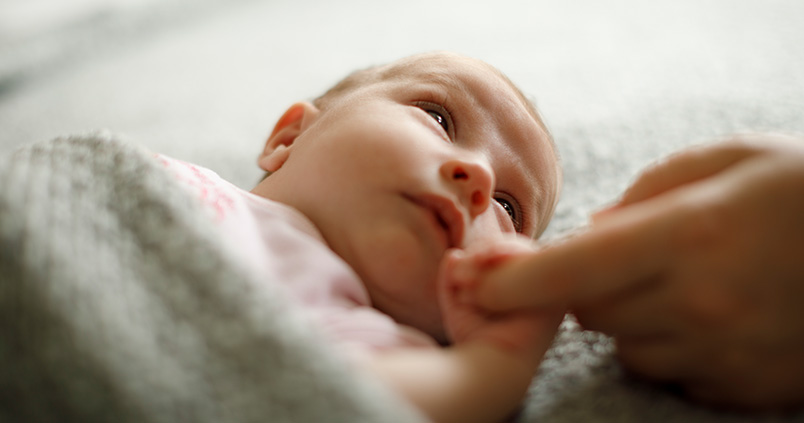
It is a dangerous respiratory virus that passes as a simple cold in adults but inflames the lower airways (bronchioles) and obstructs breathing in infants whose lungs are not yet fully developed or in elderly people with weak immune systems.
RSV tends to descend into the fine air tubes (bronchioles) deepest in the lungs and clogs them with a mucous fluid. This causes the child to breathe with a whistling, wheezing sound.
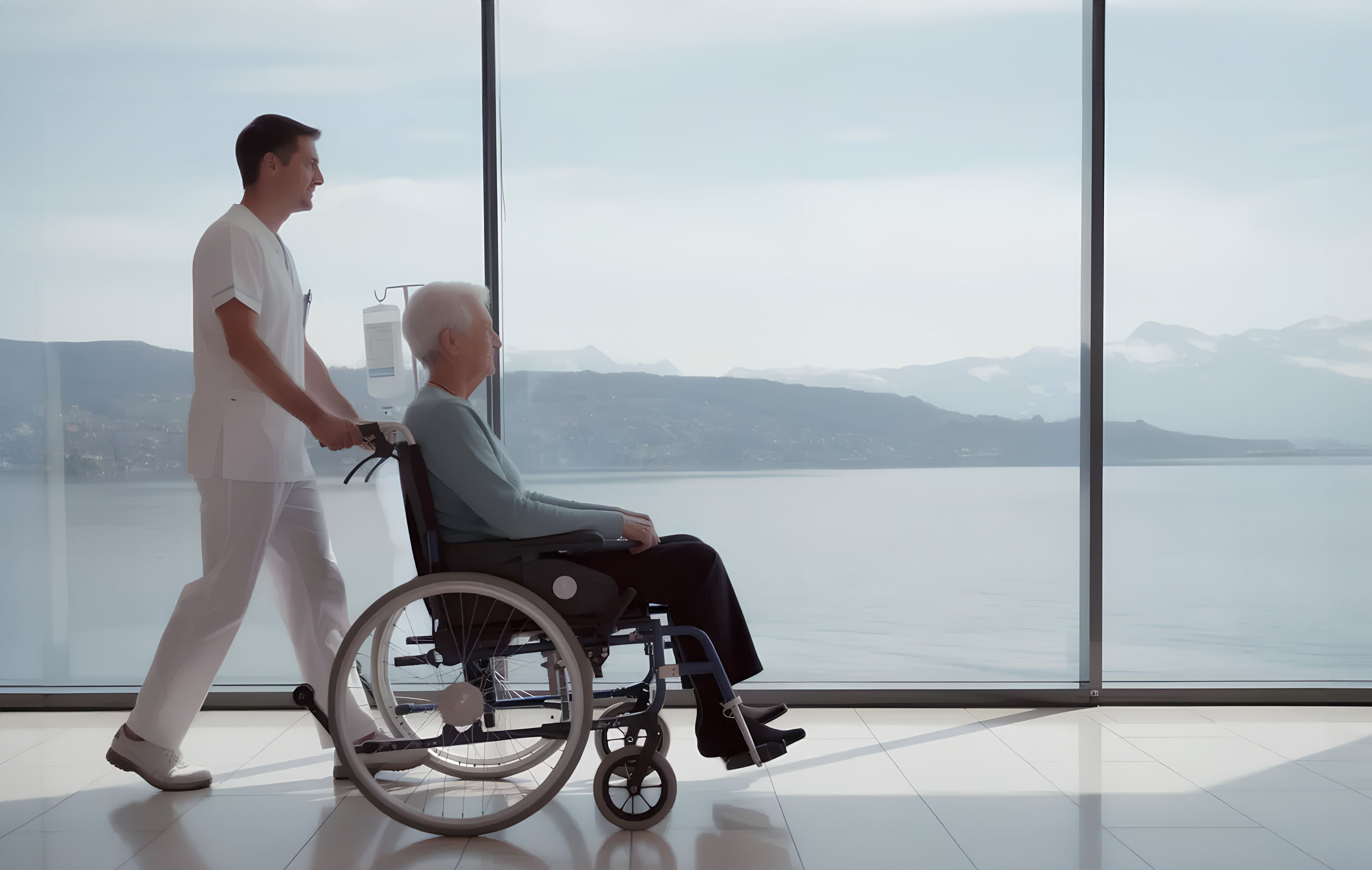
Babies under 6 months old, premature infants, children with congenital heart/lung diseases, and adults over 65 with weakened immune systems carry a risk of severe respiratory failure.
A few days after a runny nose, the baby begins to take rapid and shallow breaths, their chest/ribs cave in while breathing, they refuse to feed (suckle), and their lips turn purple.
It is often sufficient for the doctor to listen to the typical wheezing and whistling sounds in the lungs with a stethoscope. To definitively detect the virus, an RSV rapid antigen or PCR test is performed from a nose/throat swab.
Antibiotics do not work. There is no specific medication for the disease. The baby is hospitalized, mucus in the nose is cleared, breathing is eased with an oxygen mask (or steam), and intravenous fluids are given since the baby cannot feed.
Our health library contents are prepared for informational purposes only and with scientific data available at the time of recording. For all your questions, concerns, diagnosis, or treatment regarding your health, please consult your doctor or a healthcare institution.