General Information on Strabismus
Disease Details and Frequently Asked Questions
It is the loss of ocular parallelism and the deviation of the eyes in divergent directions due to the uncoordinated action of the six extraocular muscles responsible for ocular motility (horizontal and vertical movements).
It is an optical illusion where the eyes appear to deviate inward (esotropia), commonly caused in infants by a broad, flat nasal bridge and prominent epicanthal folds. As the child's facial structures develop, this appearance spontaneously resolves (It is not true strabismus).
The primary etiology is severe hypermetropia. In an effort to achieve visual clarity, the pediatric patient excessively strains the eyes to focus (accommodation), precipitating inward deviation. Febrile illnesses, seizures, or physical trauma generally serve as triggers that unmask a pre-existing genetic predisposition to strabismus during the acute physiological stress.
During childhood, the brain suppresses the visual input from the deviating eye (amblyopia), thereby preventing diplopia. However, the sudden onset of strabismus accompanied by Diplopia in an adult constitutes a critical red flag. It frequently develops secondary to microvascular complications of diabetes, severe hypertension, cerebrovascular accidents (stroke), or cranial nerve palsies due to compressive brain tumors, necessitating urgent MRI evaluation.
Therapeutic modalities vary based on the classification of strabismus.
Accommodative (Hypermetropic) Strabismus: It can be fully corrected non-surgically via the prescription of accurately measured CORRECTIVE LENSES. The deviation resolves the moment the lenses are worn.
In the presence of Amblyopia: Occlusion therapy is initiated, patching the dominant eye (for 3-4 hours daily) to compel the visual cortex to utilize and stimulate the deviating (amblyopic) eye.
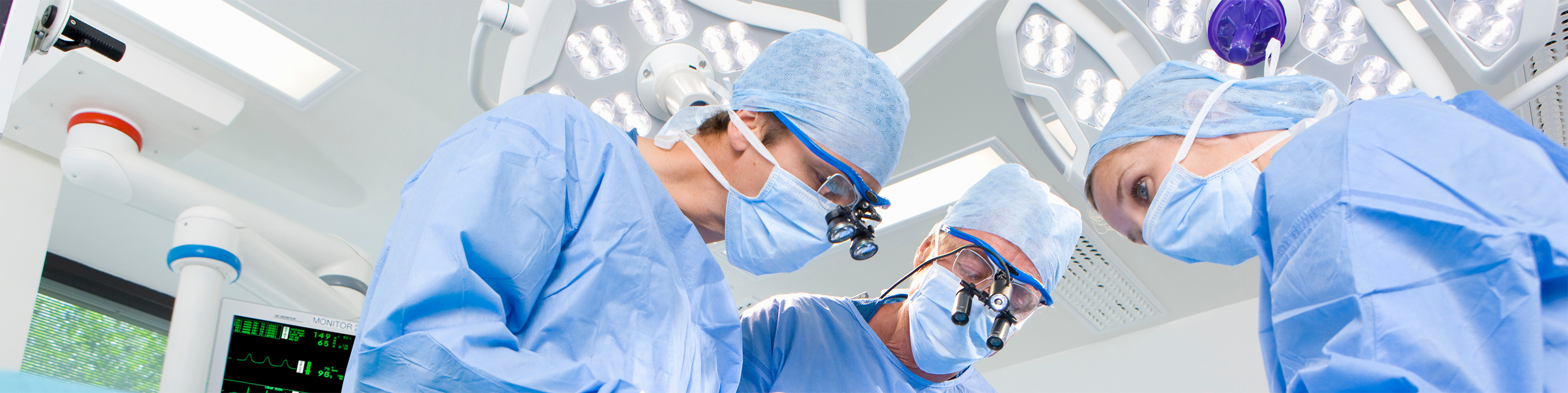
If the deviation is refractory to optical correction (or involves structural muscular anomalies), Strabismus Surgery is indicated. Under general anesthesia, a milimetric incision is made in the conjunctiva. Overactive muscles are recessed (weakened), whereas underactive muscles are resected (strengthened). This meticulous adjustment restores ocular alignment (parallelism), yielding both aesthetic and functional restoration.
Our health library contents are prepared for informational purposes only and with scientific data available at the time of recording. For all your questions, concerns, diagnosis, or treatment regarding your health, please consult your doctor or a healthcare institution.