About the Treatment Method
Organ Preserving Salivary Gland Surgery
Since it was not possible to remove stones deep inside the duct in the past, the entire salivary gland was surgically removed by making an incision from end to end under the chin or on the face (taking the risk of facial nerve paralysis). Thanks to sialendoscopy, only the stone is removed now without removing the gland.
The opening of the salivary gland duct under the tongue or inside the cheek (which is a hole about the size of a pinhead) is slightly widened. It is entered with cameras thinner than 1 millimeter (sialendoscope). If the stone is small, it is held and pulled with wire baskets; if it is large, it is crushed into powder with laser or pneumatic lithotripters, washed out, and removed.
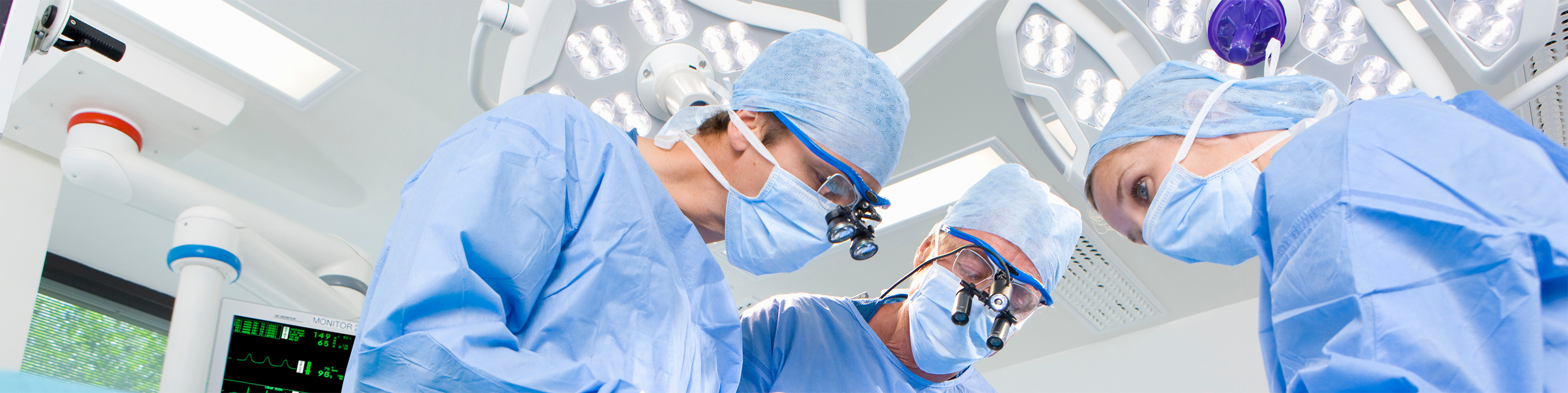
It depends on the size of the stone and the depth of the duct. Simple and superficial stones can be removed in outpatient clinic conditions with only local anesthesia (numbing). However, for deep, large, or multiple stones, general anesthesia (sleep) in operating room conditions is preferred.
The information on this page is for general health advice. Please consult specialized physicians for personalized treatment or advice.